LLMs & Agents
Fine-Tuning a 7B LLM for Code Editing
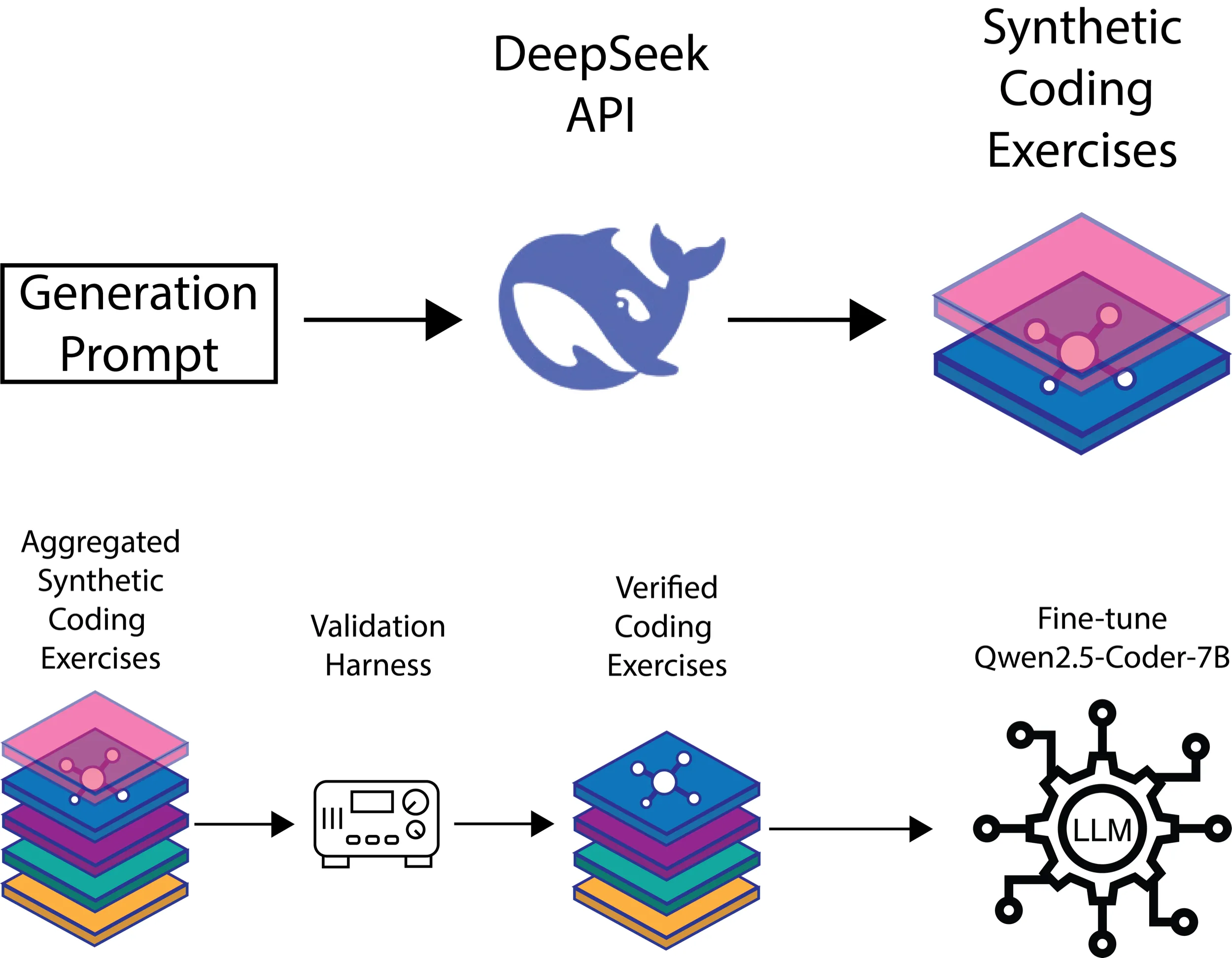
Teaching Qwen2.5-Coder-7B to pass Aider's Polyglot benchmark.
49% → 75%
well-formed diffs
2,777
verified samples
6
languages

I build AI systems — from fine-tuned LLMs and agents to vision and generative models.
A few projects I'm proud of — from LLMs to robots that learn to walk.
LLMs & Agents
Teaching Qwen2.5-Coder-7B to pass Aider's Polyglot benchmark.
49% → 75%
well-formed diffs
2,777
verified samples
6
languages
LLMs & Agents
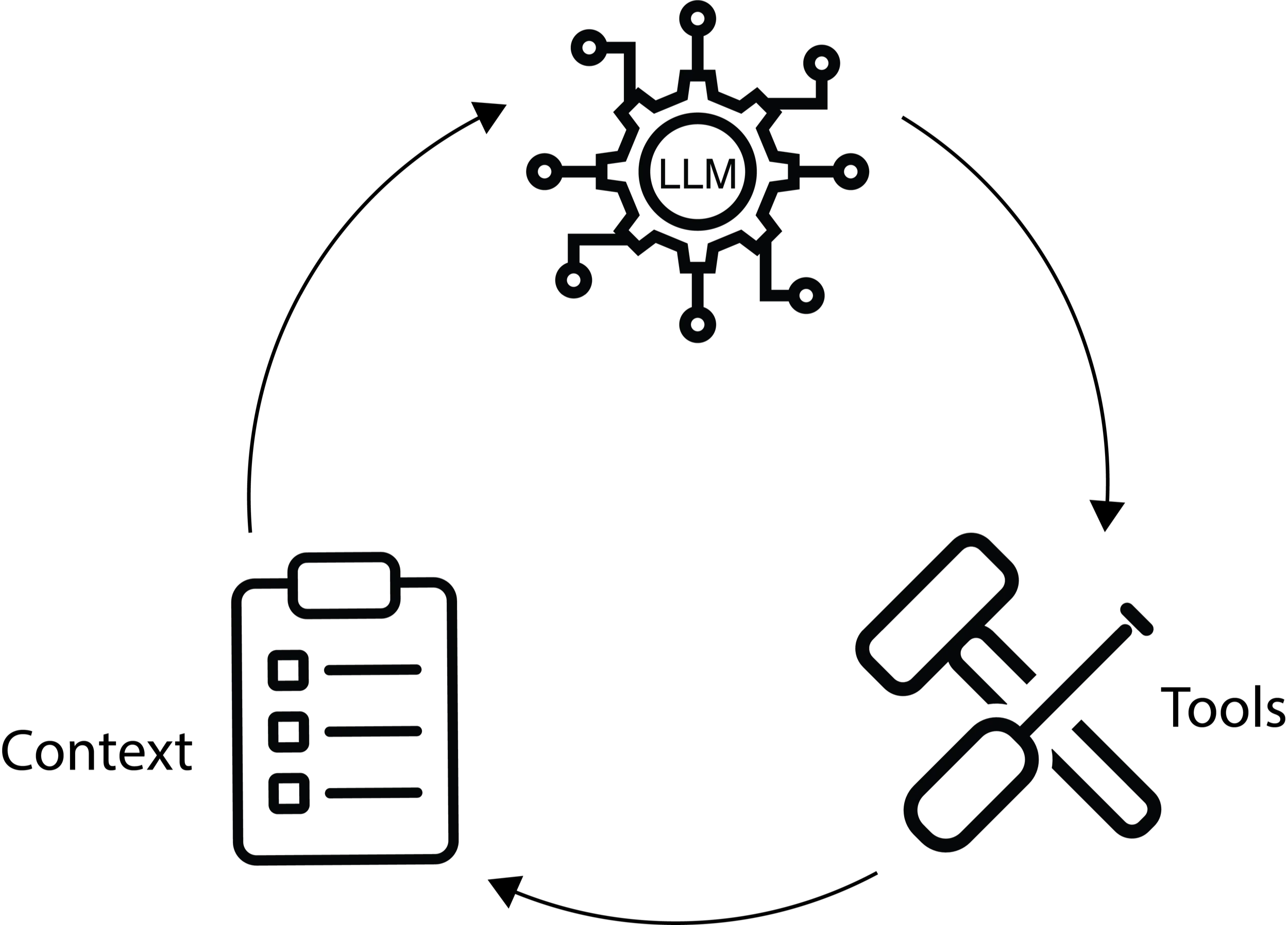
A tool-calling agent in plain Python. No frameworks.
100%
golden-task accuracy
−60%
tokens
Computer Vision
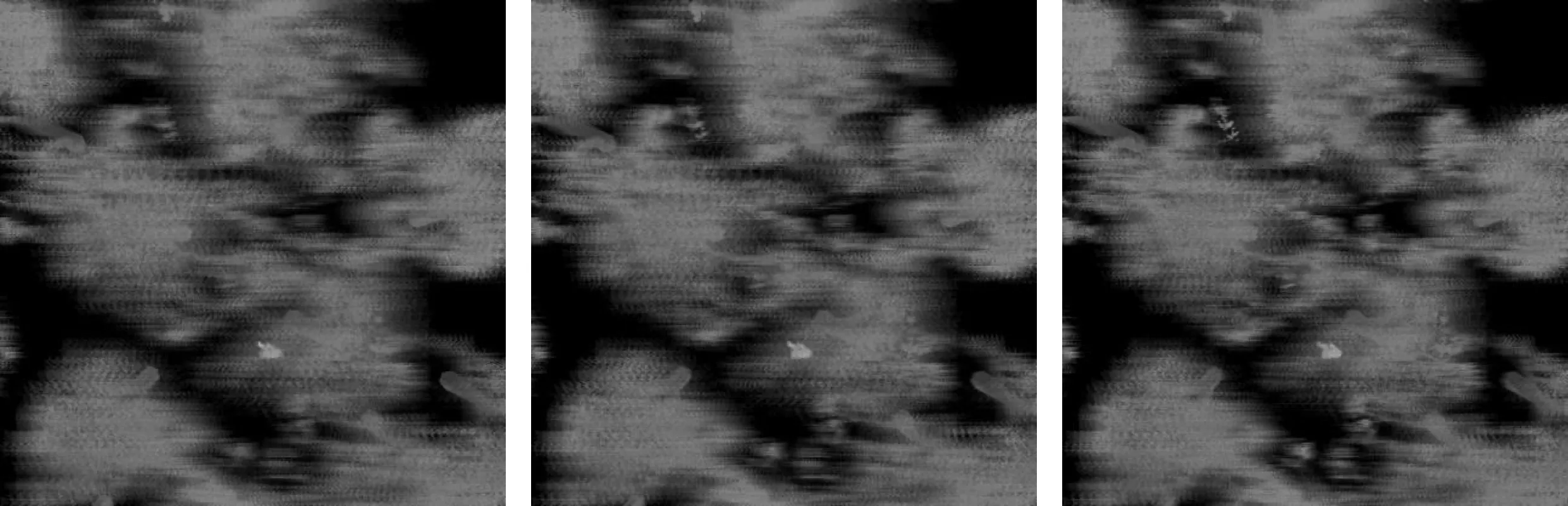
Finding people hidden under trees with drone-based Airborne Optical Sectioning.
24,960
training focal stacks
18.7M
parameters
44 dB
average PSNR
Computer Vision
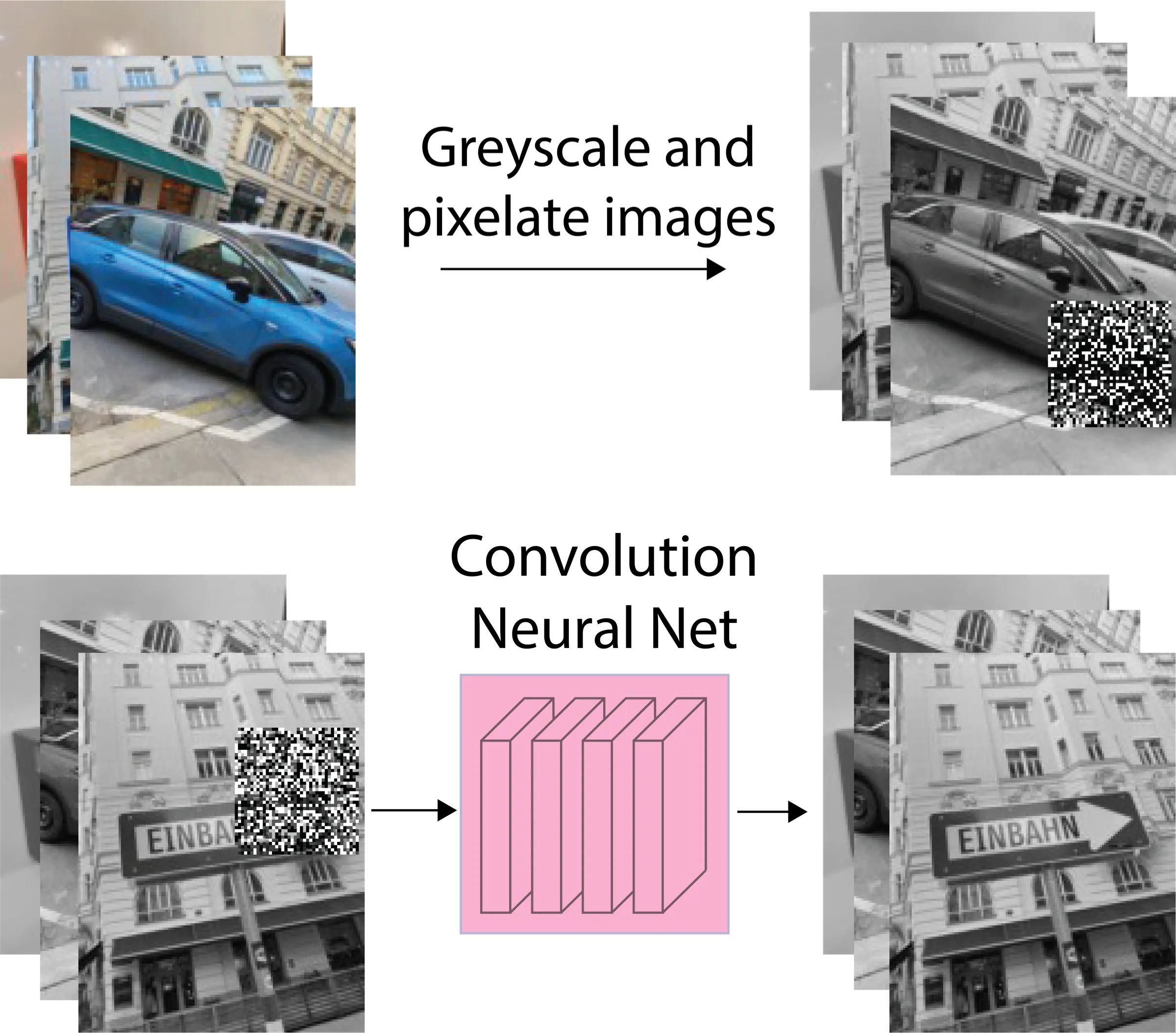
A CNN that restores pixelated images — trained without a single label.
Learn more about Self-Supervised UnpixelationExplainable AI & Data Viz
Why does a model think someone won't pay? Five explanation methods, one answer.
Learn more about Explaining Credit DefaultReinforcement Learning
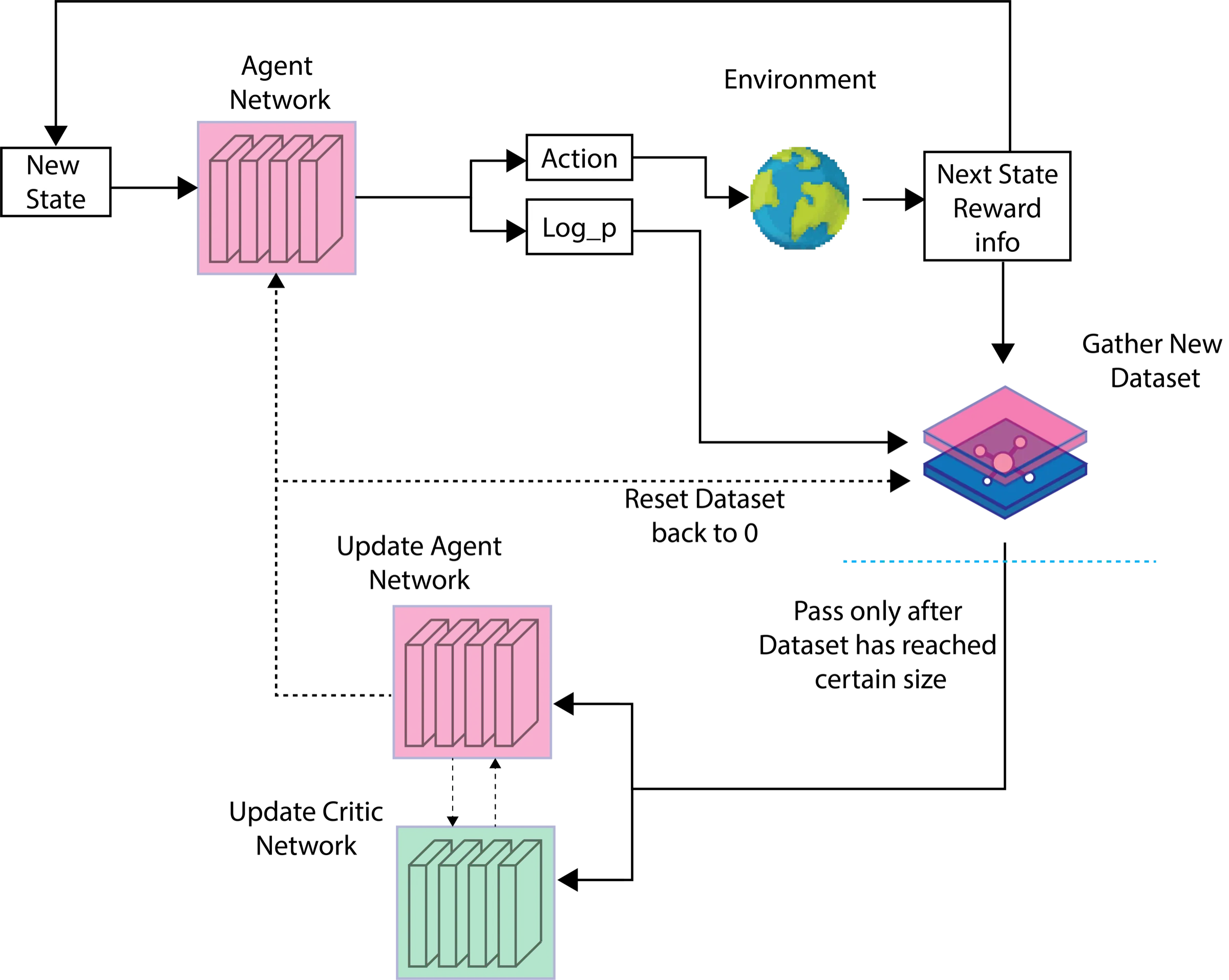
Teaching a two-legged robot to walk with Proximal Policy Optimization.
3,000
episodes
Vision, sequence models, generative models and explainable AI.
Computer Vision
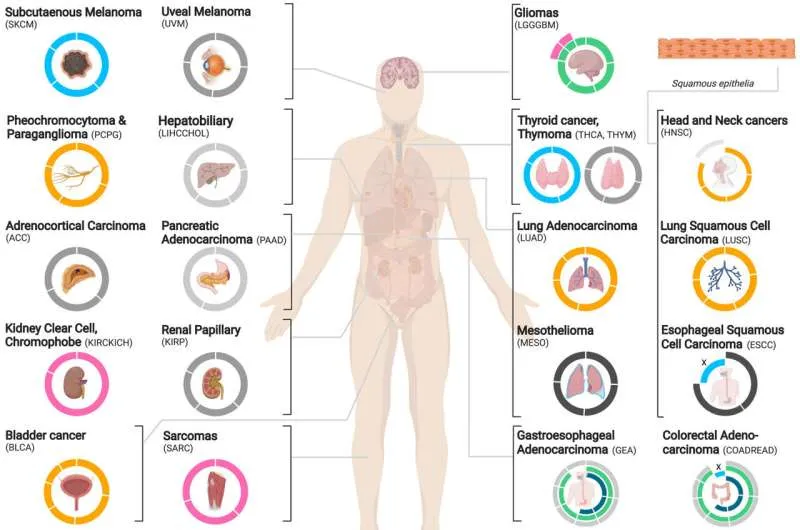
Three separate projects: a Wide ResNet tells 9 cancer cell lines apart, Random Forests predict toxicity, and an LSTM writes new molecules.
Explainable AI & Data Viz
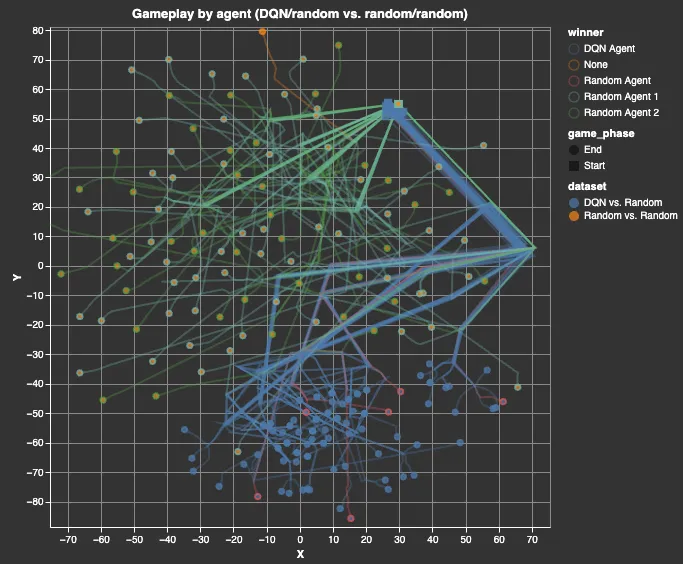
t-SNE, UMAP and PCA project 42-dimensional Connect 4 board states to 2D, revealing how games evolve and how a trained agent wins.
Sequence Models
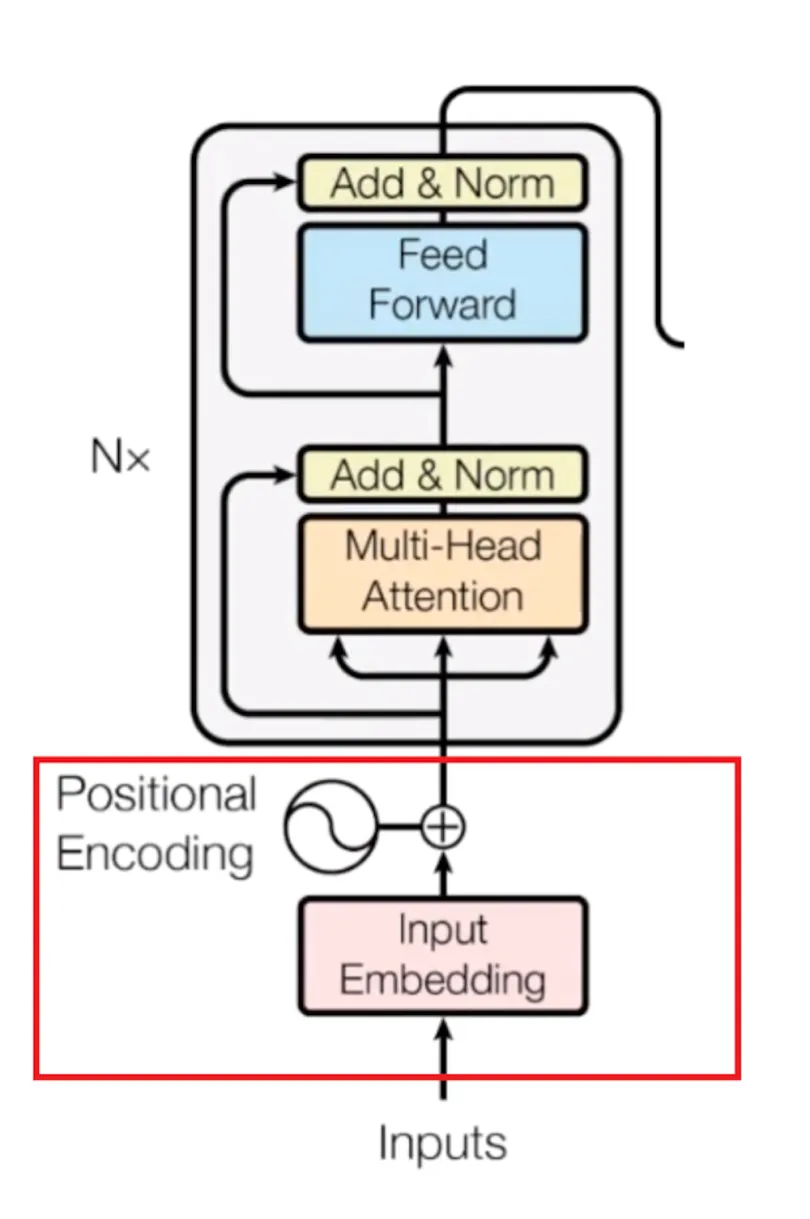
A GPT-style transformer built from scratch in PyTorch, trained on speech transcripts. Temperature trades creativity for predictability.
Sequence Models
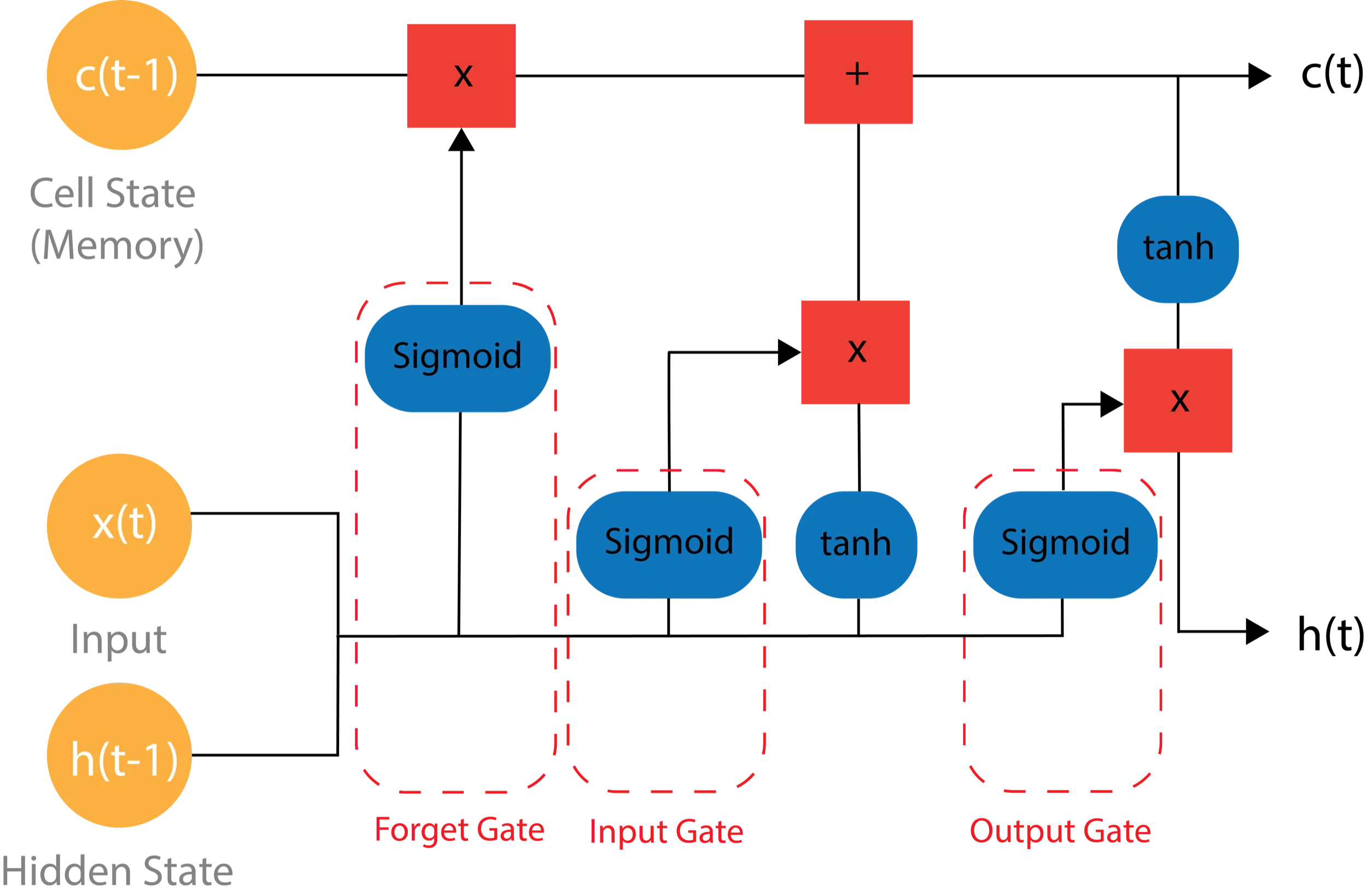
A character-level LSTM in PyTorch writes text with Gumbel-Max sampling and turns its predictions into adaptive Huffman codes for compression.
Generative Models
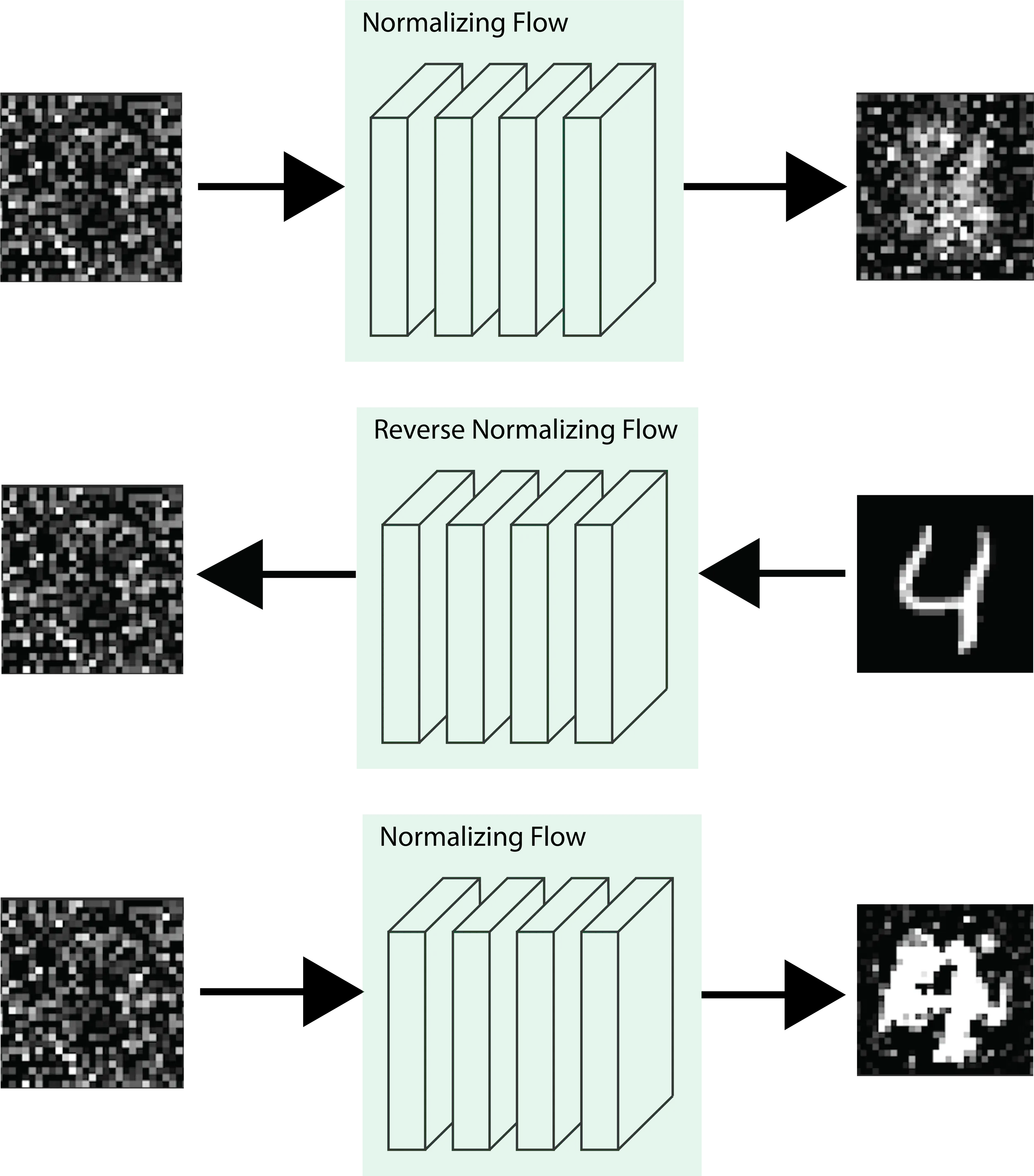
Invertible coupling layers trained by maximum likelihood on MNIST. Sample a Gaussian, invert through the flow, get new digits.
Generative Models
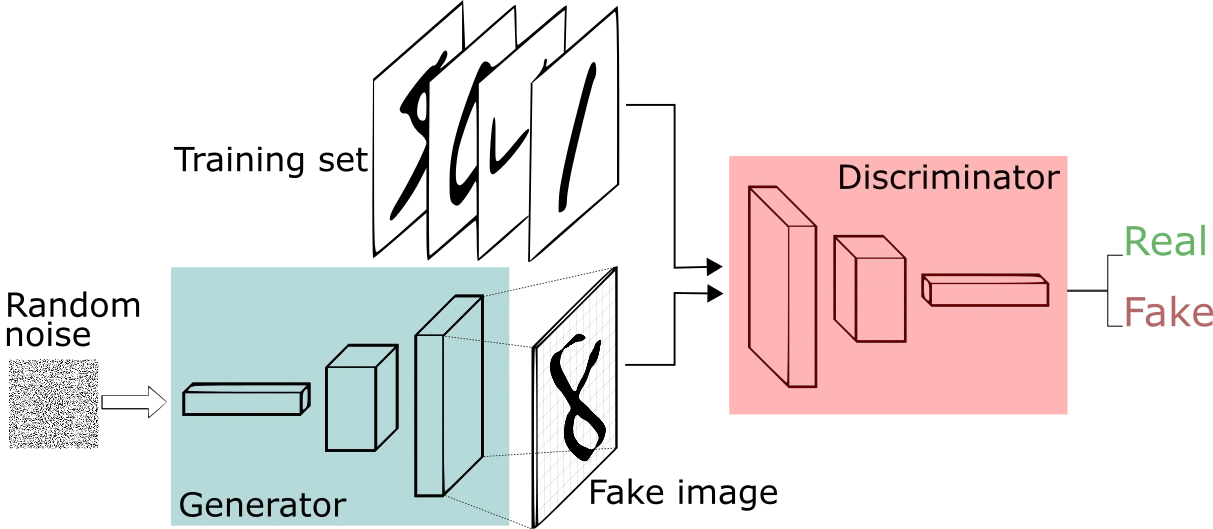
A GAN on MNIST where a generator learns to fool a discriminator, plus projected-gradient-ascent adversarial examples that fool classifiers.
Generative Models
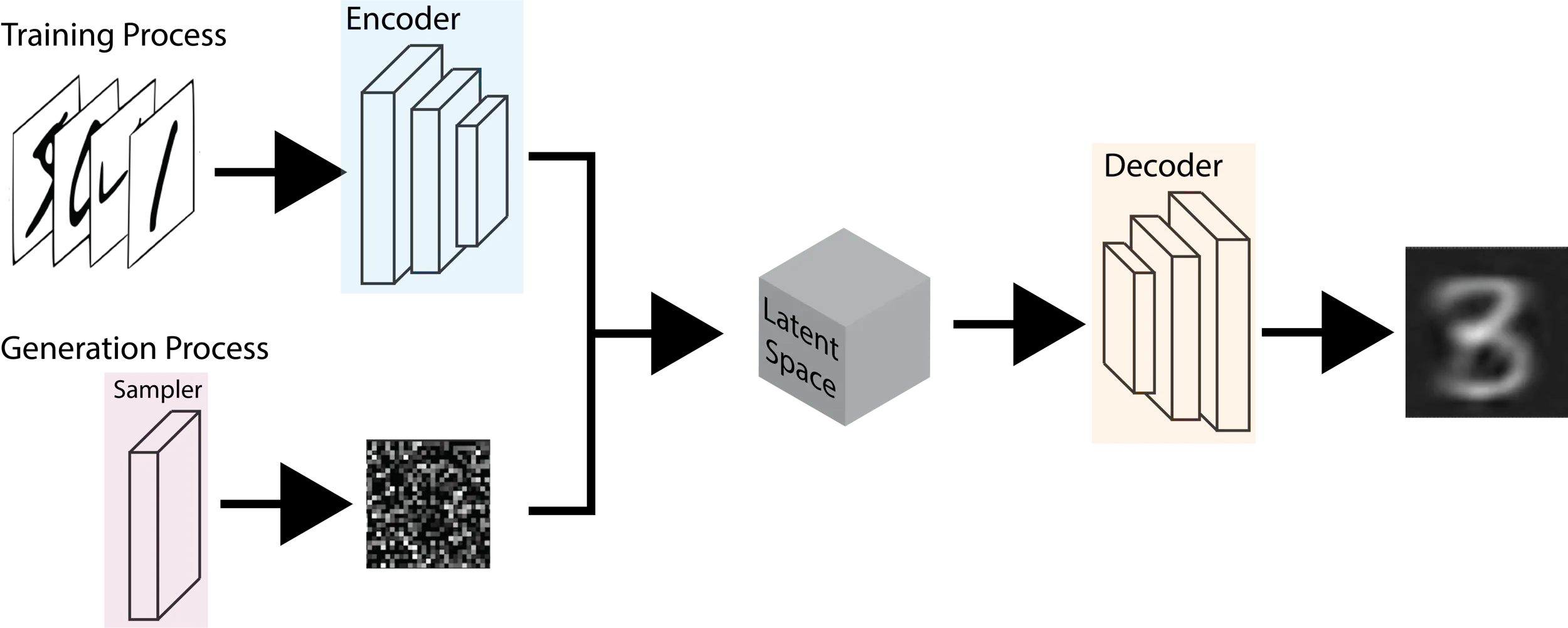
A VAE with the reparameterization trick and a KL-regularized latent space. Sample from the prior, decode, get new images.
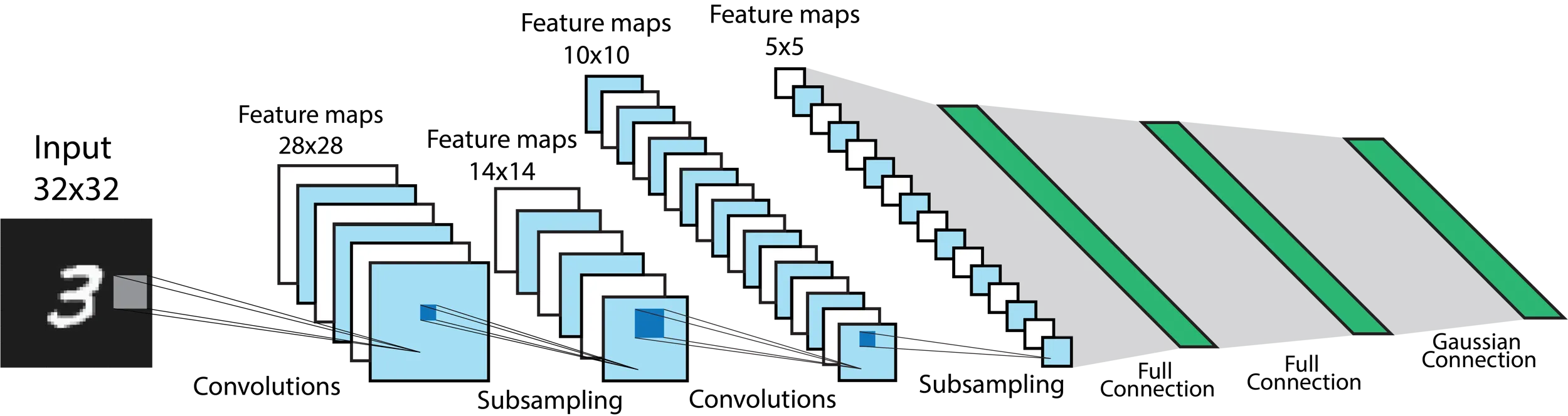
Computer Vision
Transfer learning on CIFAR-10, ResNet-style skip connections, mobile CNNs under 30K parameters, and solid training tooling.
Everything here comes straight from the projects above.
I started out in physics, moved into engineering, and now build AI systems. I like turning messy problems into models that actually work.
Languages German · English · Polish
Questions, ideas or opportunities — I'd love to hear from you.