LLMs & Agents
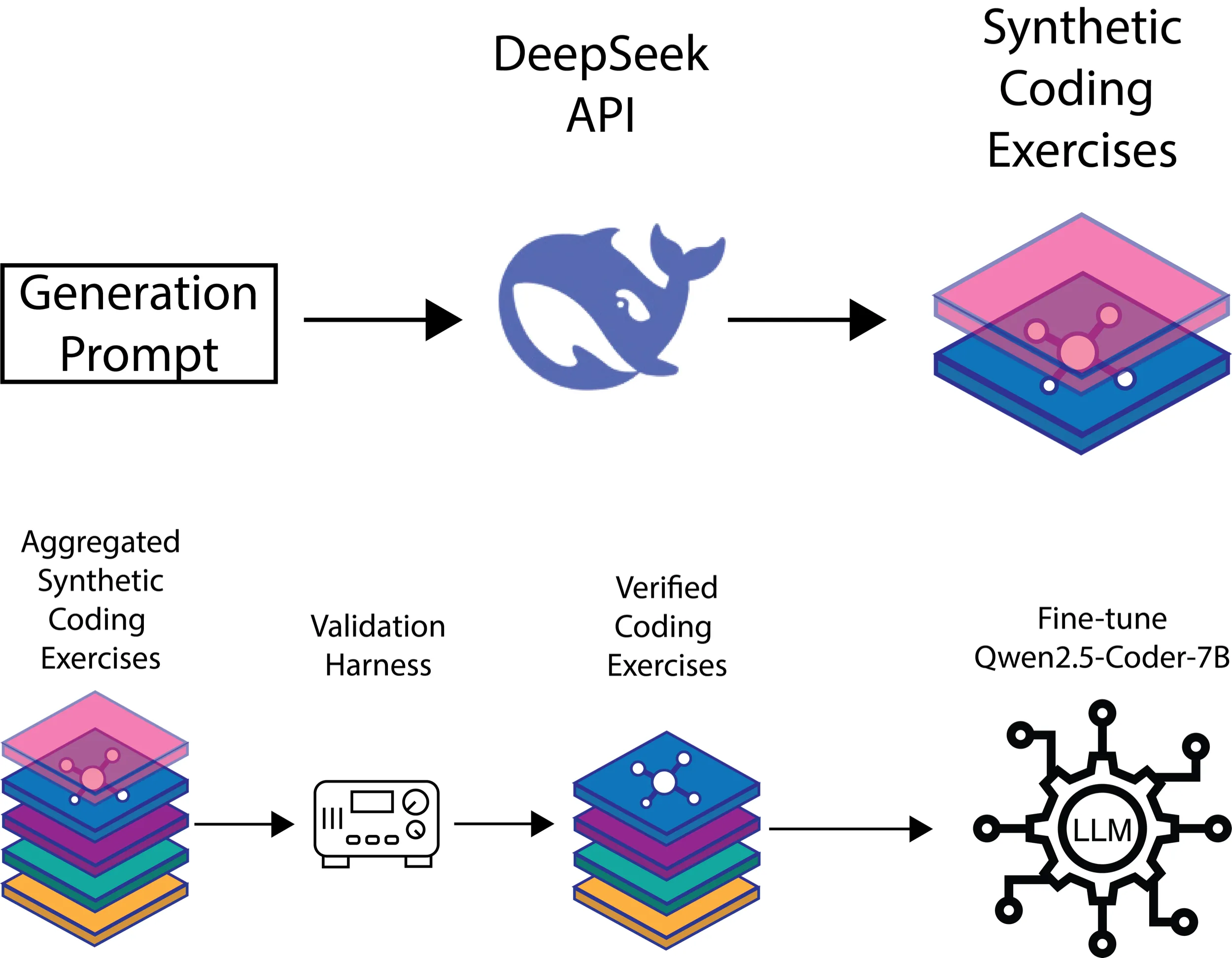
Fine-Tuning a 7B LLM for Code Editing
QLoRA fine-tuning of Qwen2.5-Coder-7B on 2,777 test-verified synthetic tasks. Well-formed diffs rose from 49% to 75%.
14 projects across LLMs, vision, generative models, sequence models, explainable AI and reinforcement learning.
LLMs & Agents
QLoRA fine-tuning of Qwen2.5-Coder-7B on 2,777 test-verified synthetic tasks. Well-formed diffs rose from 49% to 75%.
LLMs & Agents
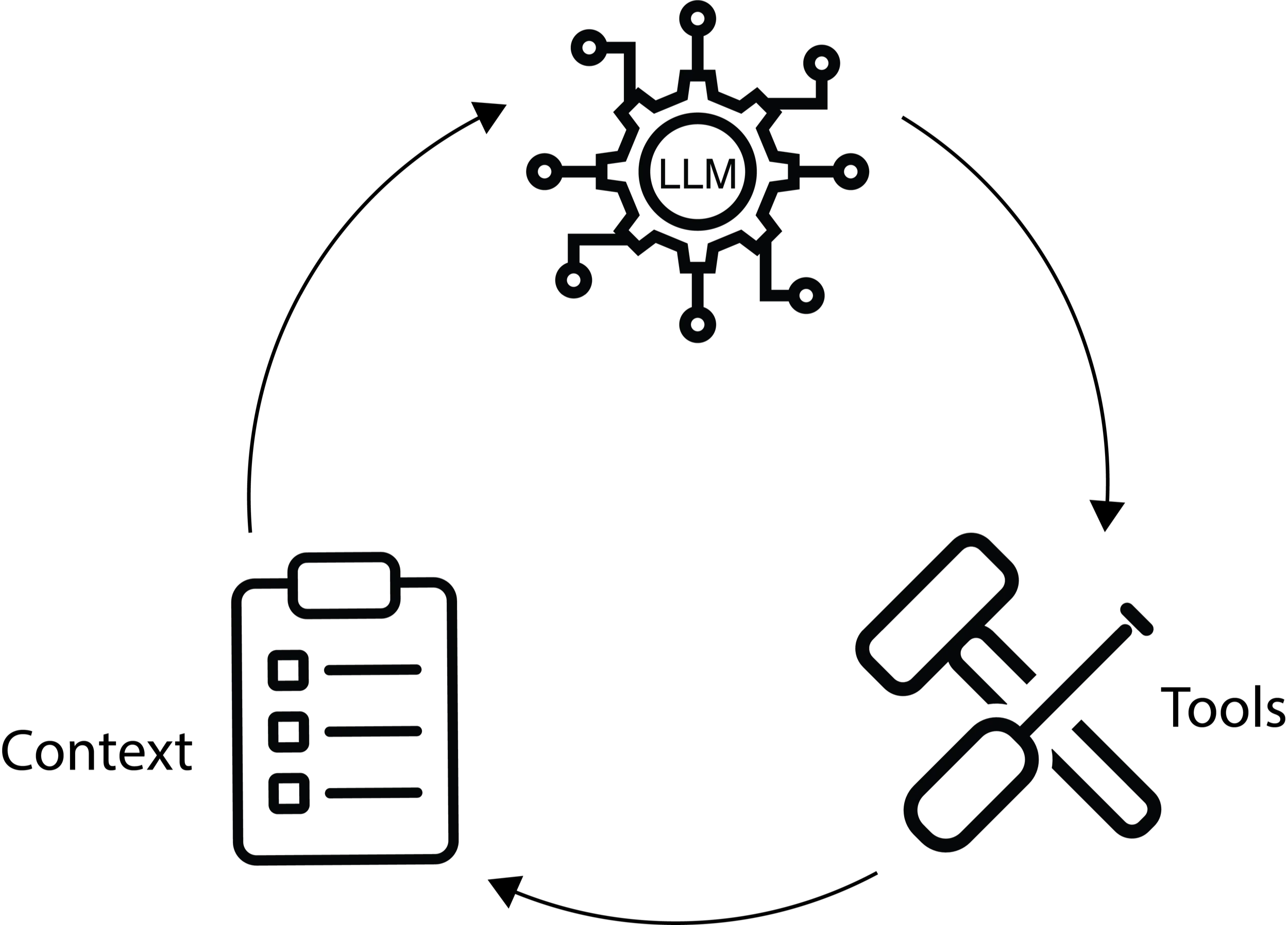
A tool-calling LLM agent in plain Python with sandboxed bash, sub-agents and context engineering. 100% on golden tasks, 60% fewer tokens.
Computer Vision
A self-supervised U-Net-style autoencoder (18.7M parameters) that removes forest occlusion from drone focal stacks to reveal hidden people.
Computer Vision
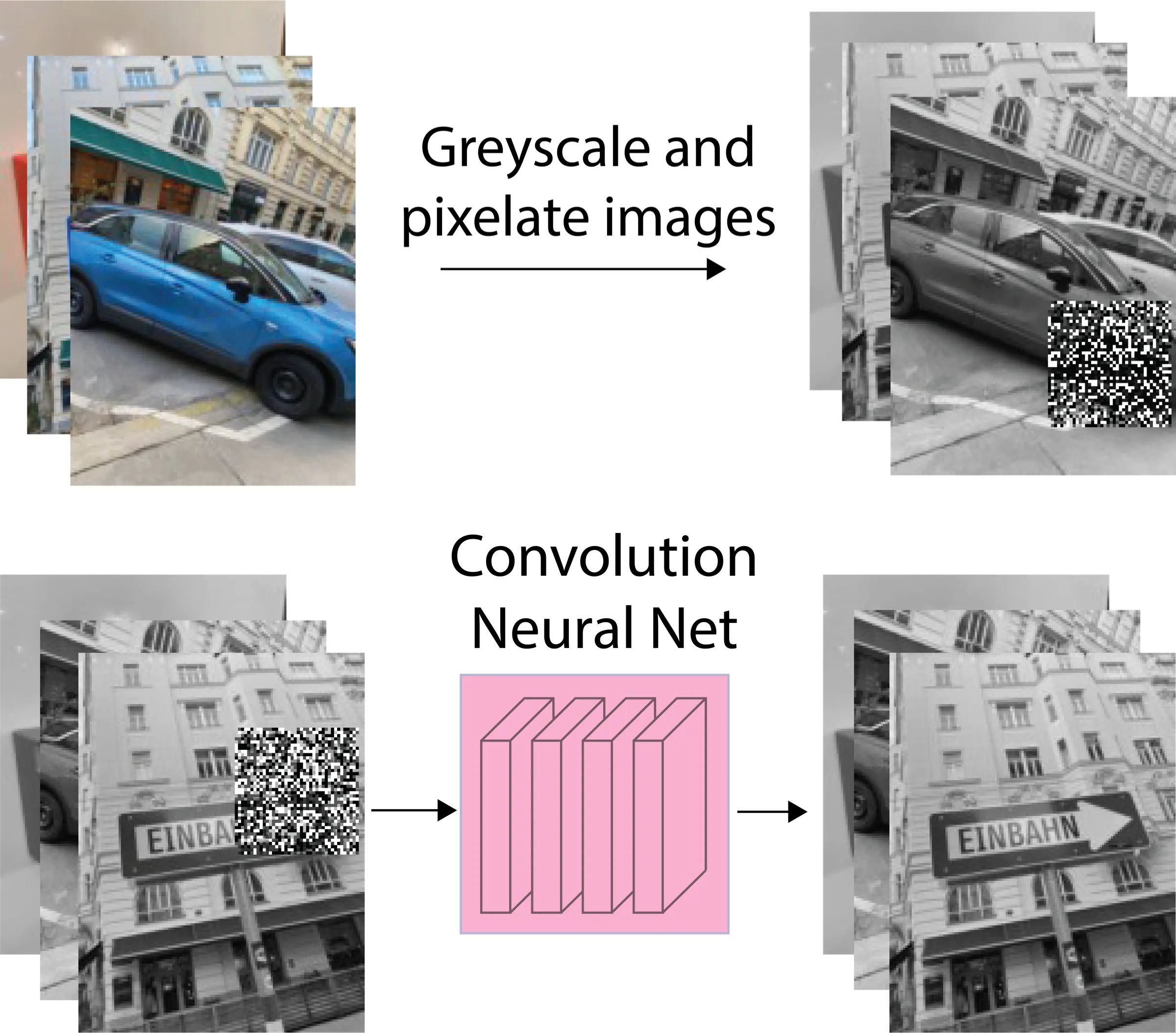
A 9-layer CNN that removes pixelation from grayscale images. The original pixels are the ground truth, so no labelled data is needed.
Computer Vision
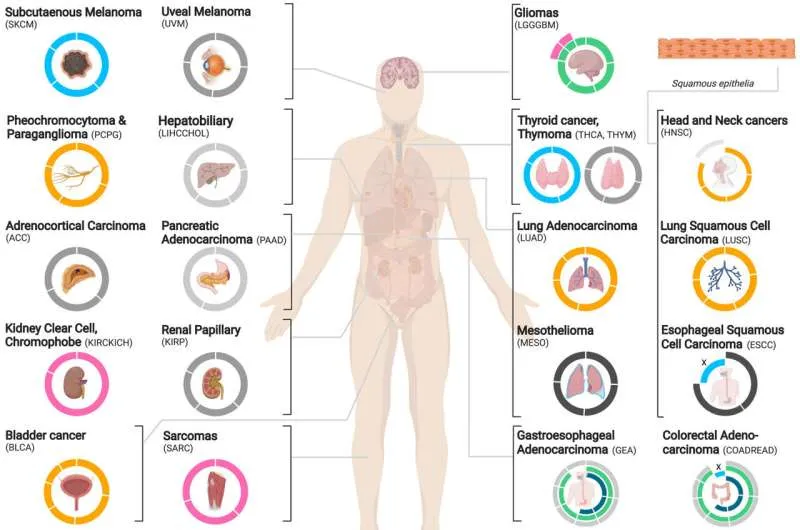
Three separate projects: a Wide ResNet tells 9 cancer cell lines apart, Random Forests predict toxicity, and an LSTM writes new molecules.

Explainable AI & Data Viz
Surrogate trees, SHAP, LIME, partial dependence and UMAP counterfactuals explain a Random Forest on 30,000 credit-card clients. PAY_1 dominates.
Explainable AI & Data Viz
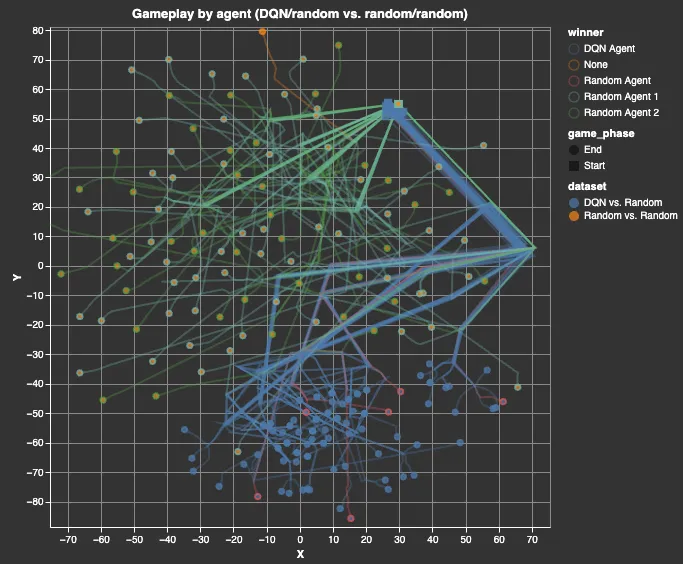
t-SNE, UMAP and PCA project 42-dimensional Connect 4 board states to 2D, revealing how games evolve and how a trained agent wins.
Reinforcement Learning
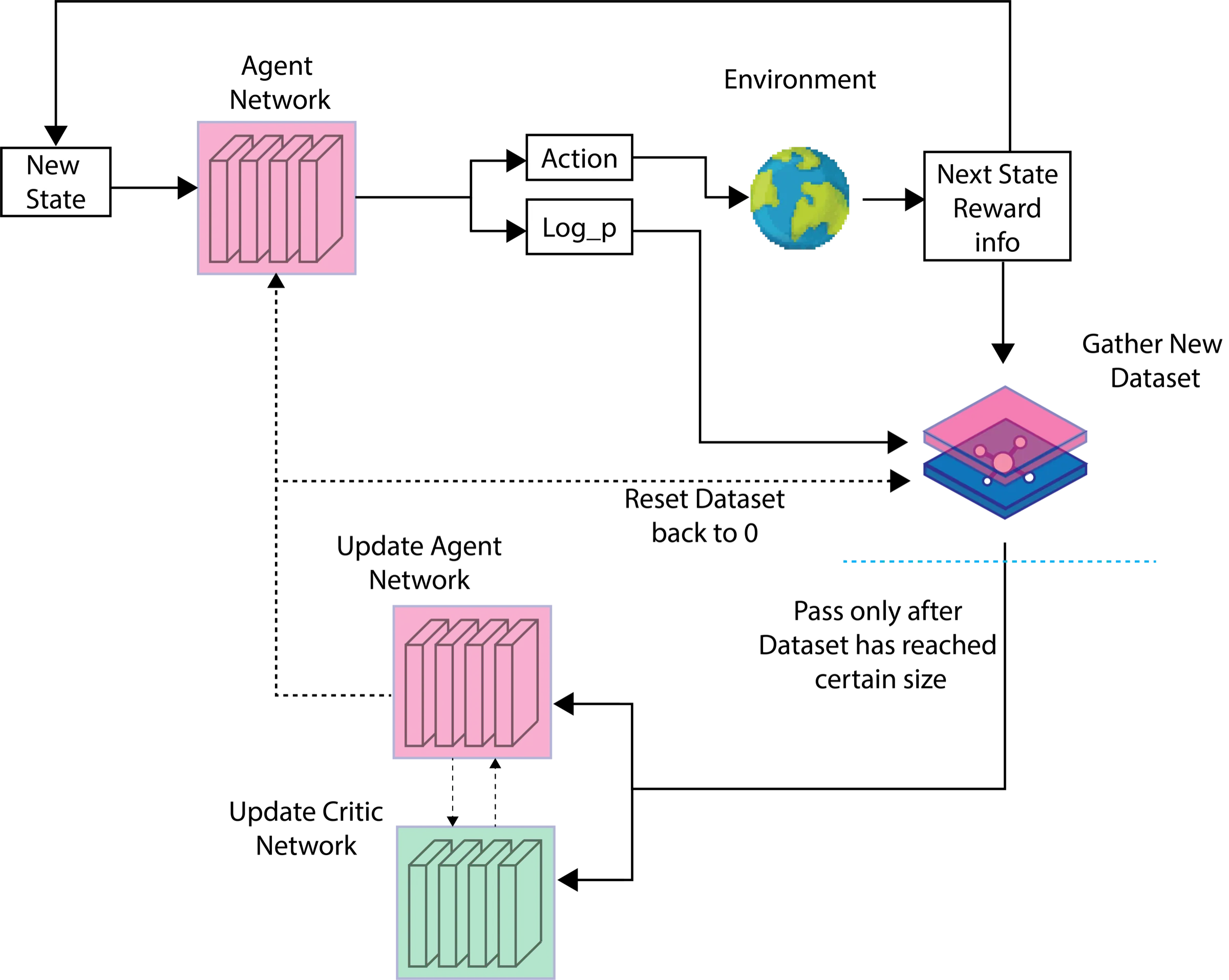
An actor-critic PPO agent learns continuous control in BipedalWalker over 3,000 episodes, with steadily rising rewards.
Sequence Models
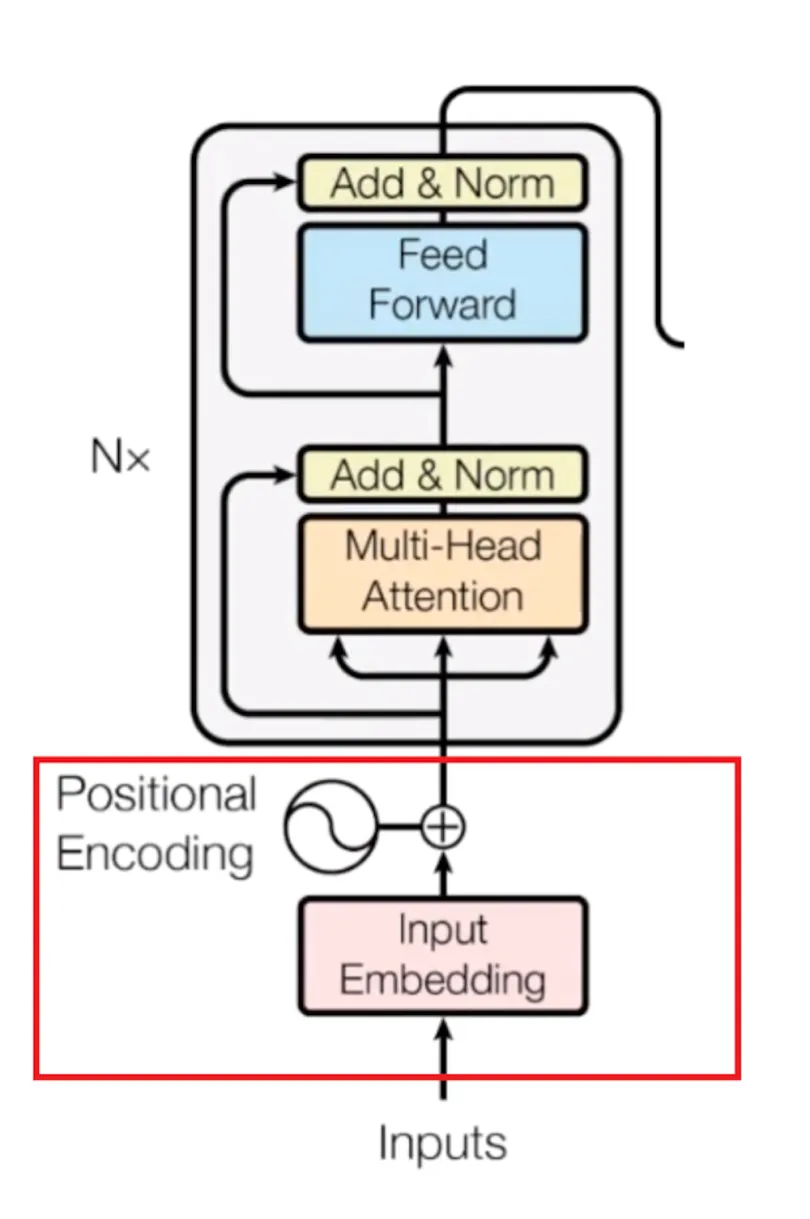
A GPT-style transformer built from scratch in PyTorch, trained on speech transcripts. Temperature trades creativity for predictability.
Sequence Models
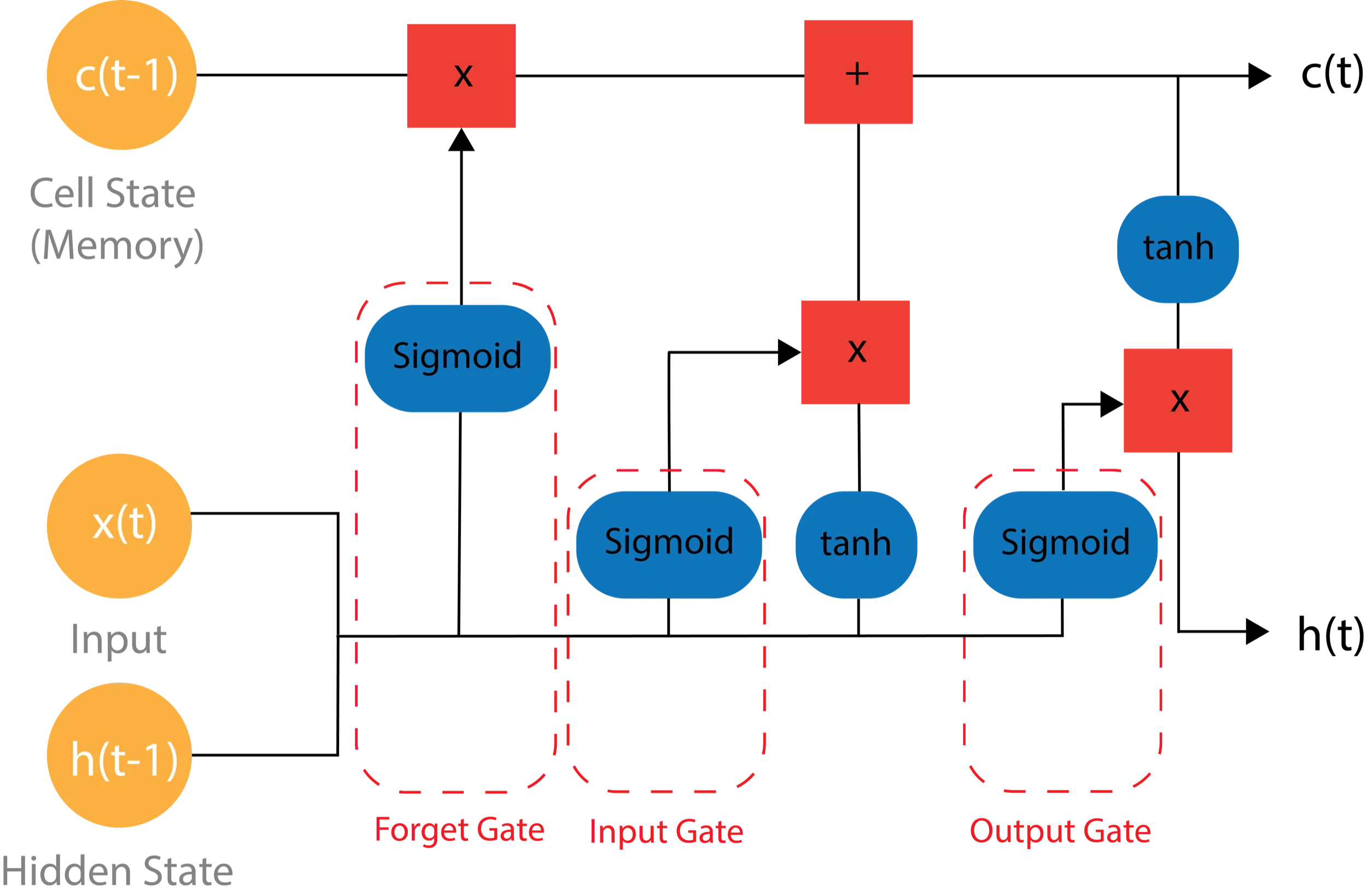
A character-level LSTM in PyTorch writes text with Gumbel-Max sampling and turns its predictions into adaptive Huffman codes for compression.
Generative Models
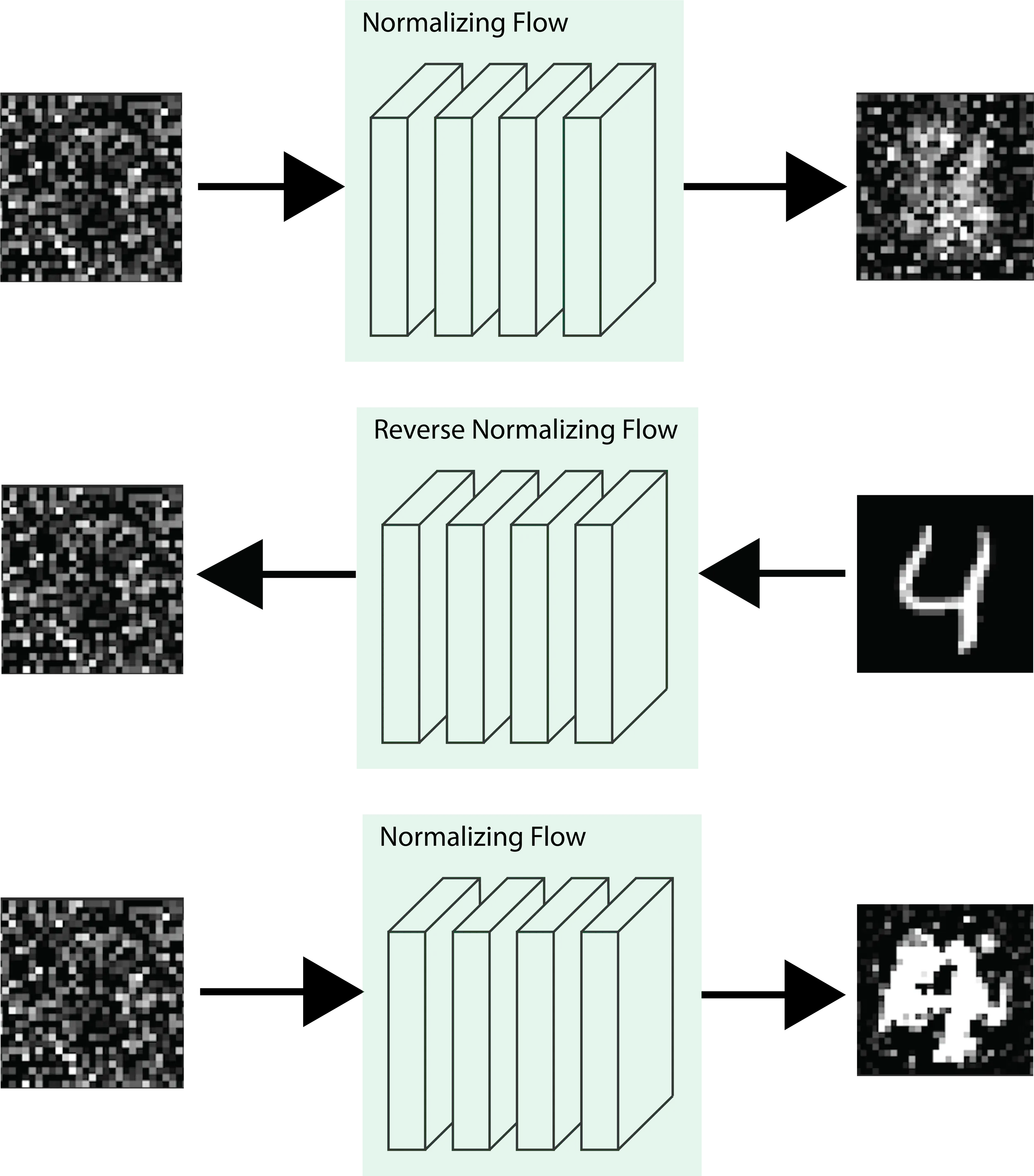
Invertible coupling layers trained by maximum likelihood on MNIST. Sample a Gaussian, invert through the flow, get new digits.
Generative Models
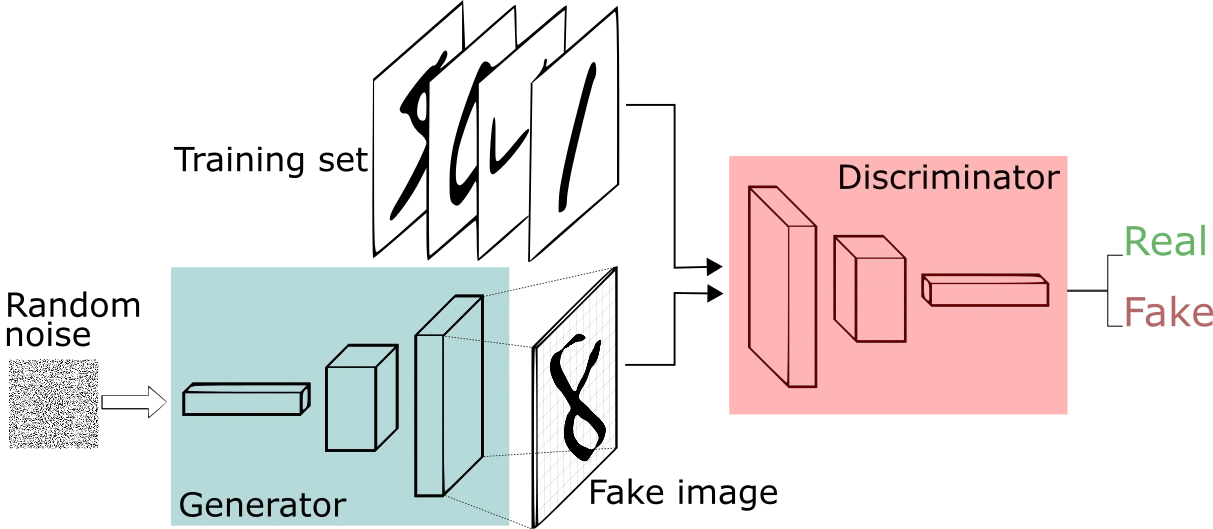
A GAN on MNIST where a generator learns to fool a discriminator, plus projected-gradient-ascent adversarial examples that fool classifiers.
Generative Models
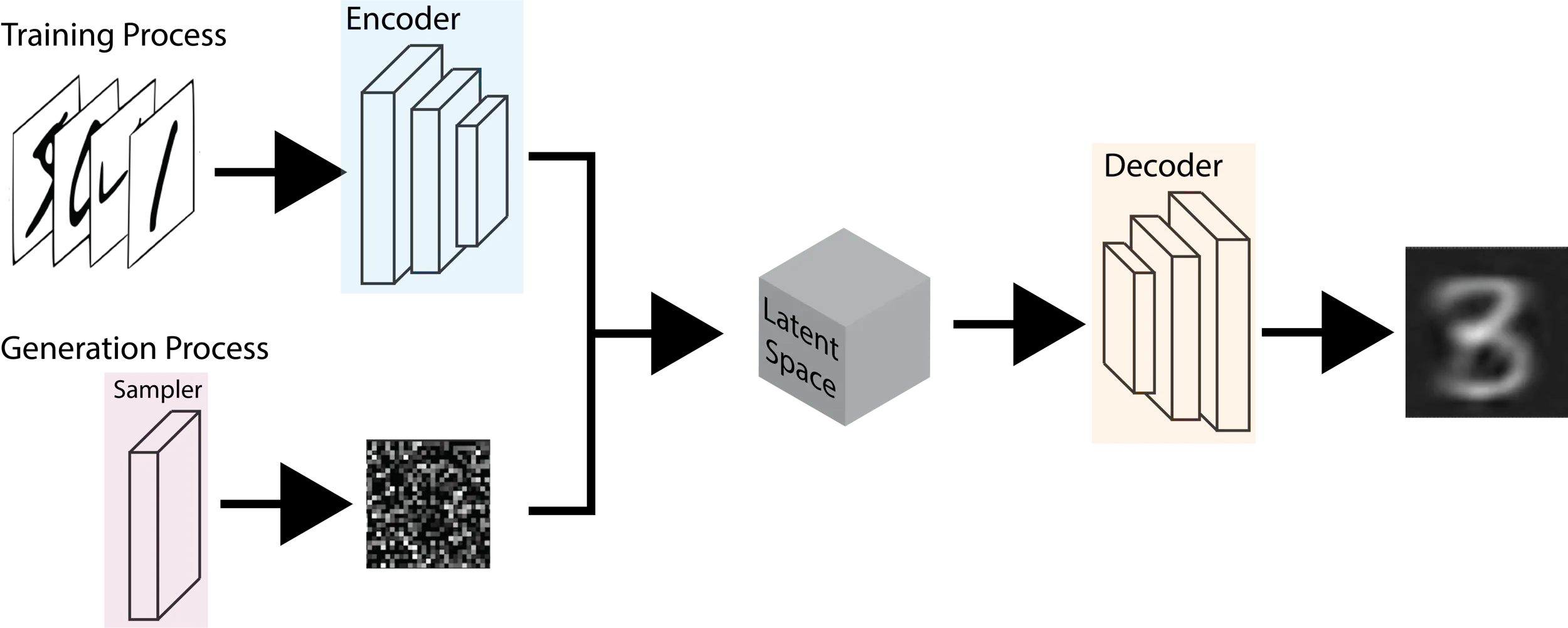
A VAE with the reparameterization trick and a KL-regularized latent space. Sample from the prior, decode, get new images.
Computer Vision
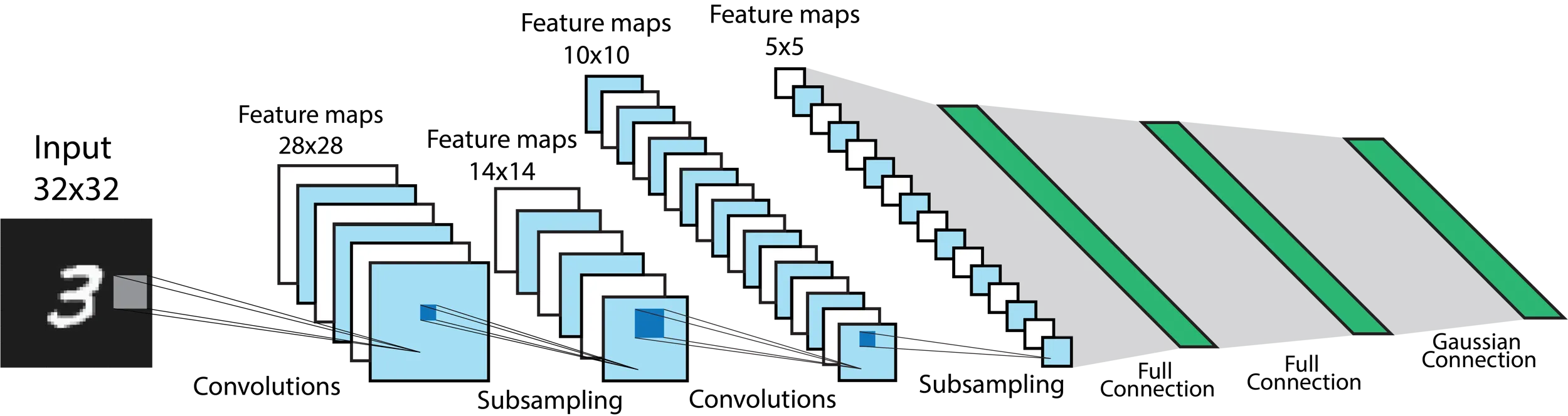
Transfer learning on CIFAR-10, ResNet-style skip connections, mobile CNNs under 30K parameters, and solid training tooling.